
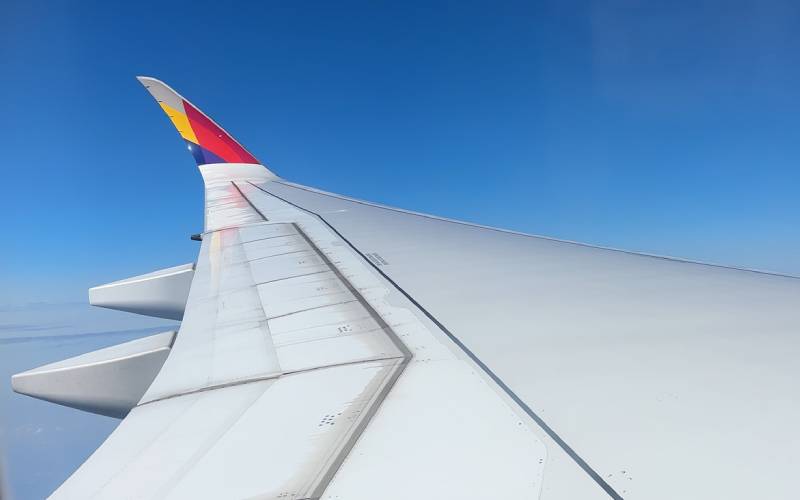
ESP – Hoy vamos a ver las distintas formas de viajar a Corea del Sur desde España. En mi caso, en todos mis viajes, he optado por vuelos directos, que salían desde Madrid o Barcelona, pero existen muchas más opciones, y hoy te las cuento. Personalmente recomiendo comprar los vuelos directamente en las webs de las aerolíneas, así en caso de tener que cancelar/reclamar, es más fácil ya que no hay intermediarios. Y aunque sé que muchas veces los descuentos que prometen resultan atractivos, no olvidemos leer siempre la letra pequeña, porque en muchos casos, lo barato sale caro. En cuento a los precios, esto dependerá de varios factores, como por ejemplo en qué estación viajamos, la aerolínea, y si hacemos escalas o no. En este post te cuento todas las opciones y así podrás elegir la que mejor se adapte a tí^^
>> Vuelo Directo
Esta sería mi primera recomendación (si te lo puedes permitir), sobre todo si estás en Barcelona o Madrid (o tienes fácil acceso a estas ciudades). Y es que las compañías Asiana Airlines, Korean Air y Trinity Airways (antes T’way Air) ofrecen vuelos directos casi a diario desde estas dos ciudades, con destino al aeropuerto de Incheon (ICN). El tiempo de vuelo directo ronda las 12-13 horas en la ida y aproximadamente 14 horas en la vuelta (debido a los vientos en altura, especialmente la corriente en chorro, Jet Stream).
>Viajar con Asiana Airlines<
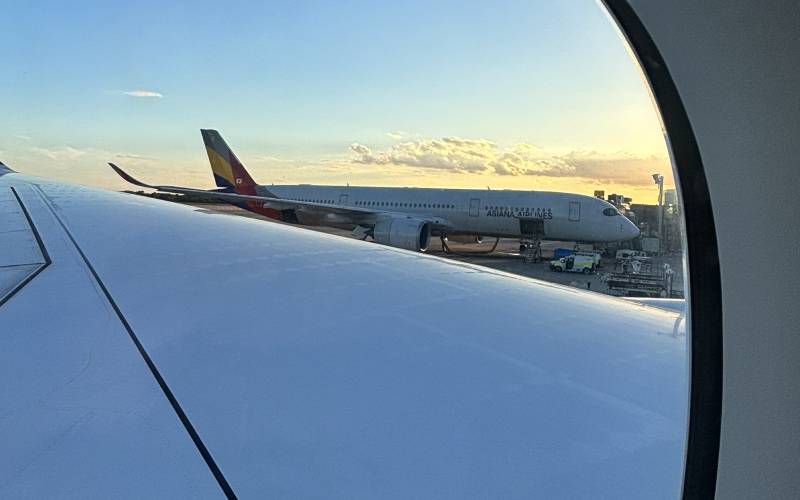
Este aerolínea opera principalmente desde Barcelona (aunque hay algunos vuelos desde Madrid), y cabe aclarar que está en pleno proceso de integración con Korean Air, el cual se espera que finalice a mediados de diciembre de este año. Personalmente he viajado con esta compañía en 3 ocasiones y su servicio me parece muy bueno. Los asientos (economy) son bastante cómodos, y las opciones de comidas están muy bien. Además proporcionan un cojín, manta, zapatillas para el viaje, y cuenta con pantallas de entretenimiento. Últimamente también ofrecen Wi-fi gratuito en algunos de sus aviones, por lo que podrás estar conectados con tus amigos y familiares durante el vuelo (excepto en algunas zonas aéreas).
Traslado Valencia – Barcelona (ventajas y desventajas, según mi experiencia):
En mi caso, opté por viajar en autobús (ALSA), ya que hacen parada en el aeropuerto de Barcelona, lo cual es muy cómodo cuando viajamos con muchas maletas. Eso sí, es un trayecto largo (casi 4 horas), por lo que os recomiendo llevar un libro o el móvil bien cargado (ya que casi nunca funcionan los enchufes del autobús, ni las pantallas). También recomiendo, por cualquier imprevisto que pueda ocurrir, salir con bastante tiempo de margen para no correr el riesgo de perder el avión. Yo siempre suelo reservar un autobús que me deja en el aeropuerto al menos 4 horas antes de mi salida. Por supuesto hay que ser cuidadosos con nuestras pertenencias y tener bien vigiladas las maletas en todo momento, tanto en el autobús como en el aeropuerto.
>Equipaje<
Otra cosa a tener en cuenta cuando hacemos un viaje tan largo es el equipaje permitido por la aerolínea. En el caso de Asiana Airlines, permiten de forma gratuita llevar 1 maleta facturada de hasta 23 kg y en cabina 1 maleta de hasta 10 kg + 1 artículo personal. Revisad bien las medidas en la web oficial de Asiana Airlines.
>Viajar con Korean Air<
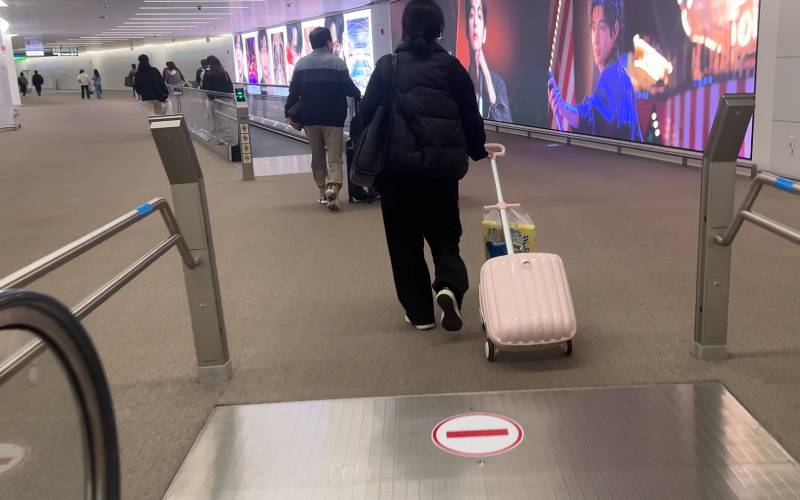
Korean Air conecta España y Corea del Sur mediante vuelos directos desde Madrid. En marzo de este año viajé con esta compañía, y al igual que Asiana Airlines, tuve una buena experiencia. Tanto el servicio, como la comida fueron buenos. Si hay algo que destacaría es la oferta de entretenimiento, que me pareció bastante más amplia que la de Asiana Airlines, y por lo tanto me hizo el viaje más ameno. Korean Air también comercializa billetes desde Barcelona, por lo que es importante distinguir entre vuelos directos operados por la propia compañía y conexiones o vuelos compartidos (como fue el caso de mi último viaje).
Traslado Valencia – Madrid (ventajas y desventajas, según mi experiencia):
En mi caso, para viajar a Madrid he optado por el tren rápido, cuyo trayecto dura aprox. 2 horas y me deja en la estación de Chamartín. Si bien ahorramos en tiempo de trayecto comparado con el autobús a Barcelona, tened en cuenta que desde allí tendréis que ir al aeropuerto (ya sea en tren u otro medio de transporte), así que calculad bien los tiempos. Para mí esta es una desventaja clara, además de que viajar con maletas grandes en tren no siempre es cómodo, y dependiendo de la compañía nos pedirán pagar un plus si no está incluido. Os confieso que en mi viaje de ida a Madrid estuve todo el recorrido con miedo a que me robaran las maletas (que hay que dejar en la zona habilitada), así que si sois como yo, incluso os recomiendo ponerle una cadena antirrobos para evitar estos sustos.
>Equipaje<
Y hablando de equipaje, estos son los permitidos de forma gratuita en los vuelos internacionales de Korean Air: 1 maleta facturada de hasta 23 kg y en cabina 1 maleta de hasta 10 kg + 1 artículo personal. Revisad bien las medidas en la web oficial de Korean Air.
>Viajar con Trinity Airways<
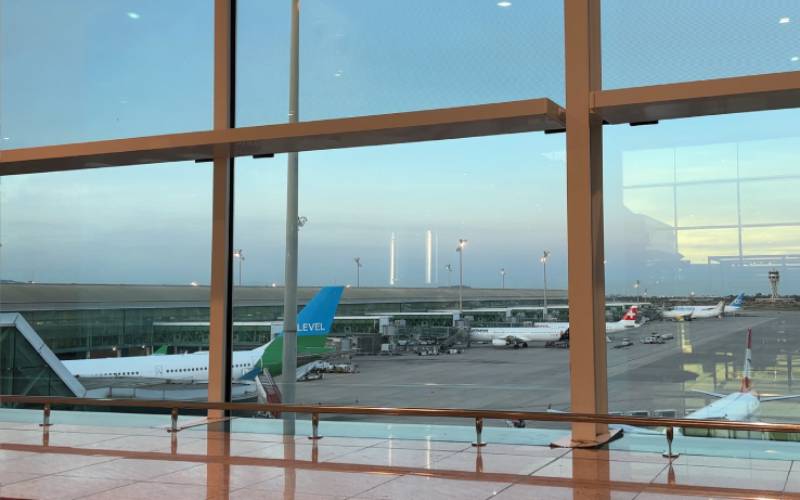
Quizás no os suene esta compañía, y es que hasta hace poco su nombre era T’way Air. En agosto de 2026 anunciaron el cambio de identidad corporativa y desde el 10 de septiembre comenzó a operar oficialmente como Trinity Airways. Tienen ruta desde Barcelona, y si bien no se puede considerar una low-cost, el precio sí es inferior al resto (comparando el mismo tipo de billete). A cambio de este precio menor, los servicios también cambian. Con respecto a la comida, en los vuelos de larga distancia a Europa, como la ruta Barcelona-Seúl, la compañía ofrece dos comidas gratuitas por trayecto con varias opciones, algunas incluso vegetarianas (hay que reservarla por anticipado). Sin embargo, así como en otras compañías disponemos de pantallas para el entretenimiento, en Trinity Airways es posible que algunos aviones no tengan pantallas individuales en los asientos. Por lo que muchos pasajeros llevan sus propios dispositivos para ver contenido previamente descargado. De momento no se ofrece Wi-fi en los vuelos desde España.
>Equipaje<
Con respecto al equipaje, estos son los permitidos de forma gratuita en los vuelos internacionales de Trinity Airways: 1 maleta facturada de hasta 15 kg en Event Fare, 23 kg en Smart y Regular Fare y 1 maleta + 1 artículo personal, con un máximo conjunto de 10 kg. Revisad bien las medidas en la web oficial de Trinity Airways.
>> Vuelos con escala
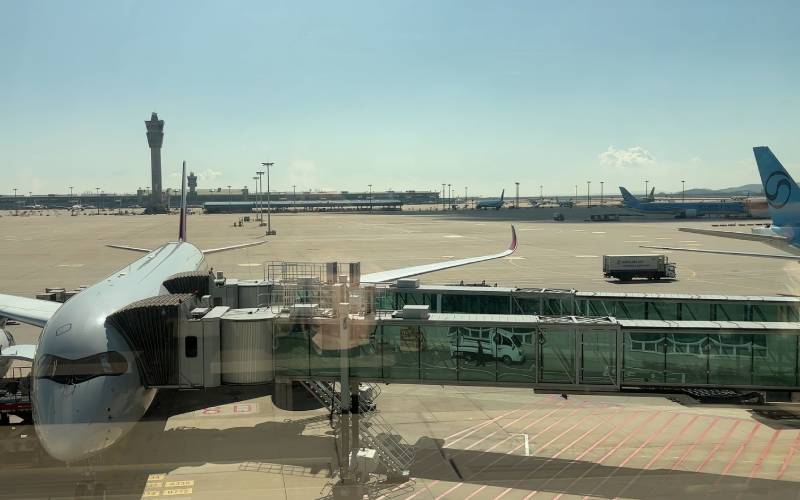
Si no te importa dedicar un tiempo extra a hacer escalas, y de paso ahorrar un poco de dinero, también hay varias opciones desde otros aeropuertos, como Valencia, Málaga, Alicante o Bilbao. La duración de estos viajes dependerá del aeropuerto de conexión y de la duración de la espera. Personalmente no he viajado a Corea haciendo escala, pero tengo amigos que sí, por lo que te cuento la opción que más me recomendaron. Se trata de la ruta Valencia – Estambul – Seúl, ofrecida por Turkish Airlines. En total son 14 h 40 min de vuelo y a eso hay que sumar la conexión. Si lo piensas, el total de horas es casi igual que ir de Valencia a Madrid o Barcelona y coger el vuelo directo, pero en este caso todos los trayectos lo hacemos en avión.
Un detalle importante es que esta aerolínea permite llevar 1 maleta facturada de hasta 23 kg y en cabina 1 maleta de hasta 8 kg + 1 artículo personal de hasta 4kg. Me parece algo importante a tener en cuenta, teniendo en cuenta que es un viaje muy largo, y en el que seguramente llevarás al menos una maleta grande.
Estas son otras de las opciones que veo disponibles en noviembre 2026:
Aerolínea: SWISS >>> Valencia – Zúrich – Seúl
Aerolínea: Lufthansa >>>Valencia – Múnich – Seúl
Aerolínea: ITA Airways / Asiana >>> Valencia – Roma – Seúl
¿Qué opción elegir para viajar a Corea del Sur?
Ya sea en vuelo directo o con escala, existen diferentes alternativas para viajar desde España a Corea del Sur. Compara precios, duración del trayecto, equipaje y servicios incluidos para elegir la opción que mejor se adapte a tu viaje.
¡Buen viaje a Corea!
ENG – Today, we’re going to look at the different ways to travel to South Korea from Spain. On all my previous trips, I’ve chosen direct flights departing from Madrid or Barcelona. However, there are plenty of other options, and today I’m going to tell you all about them!
Personally, I recommend booking your flights directly through the airlines’ official websites. That way, if you need to cancel your booking or make a claim, the process is usually easier because there are no third-party intermediaries involved. And although I know that the discounts advertised by some booking websites can be tempting, always remember to read the fine print. In many cases, what seems like a bargain can end up costing you more.
As for prices, these depend on several factors, such as the season you’re travelling in, the airline you choose, and whether you take a direct flight or one with a stopover. In this post, I’ll walk you through all the available options so you can choose the one that best suits your needs. ^^
Direct Flights
This would be my first recommendation (if your budget allows it), especially if you’re based in Barcelona or Madrid, or have easy access to either city. Asiana Airlines, Korean Air and Trinity Airways (formerly T’way Air) offer almost daily direct flights from these two cities to Incheon International Airport (ICN).
Direct flights take around 12–13 hours on the outbound journey and approximately 14 hours on the return flight. This difference is mainly due to high-altitude winds, particularly the jet stream.
Flying with Asiana Airlines
Asiana Airlines operates mainly from Barcelona (although some flights are available from Madrid). It’s worth mentioning that the airline is currently going through an integration process with Korean Air, which is expected to be completed by mid-December this year.
I’ve flown with Asiana Airlines three times, and I’ve always been very happy with its service. The economy-class seats are quite comfortable, and the meal options are very good. They also provide a pillow, blanket and slippers for the journey, and the aircraft have individual entertainment screens.
Recently, the airline has also started offering free Wi-Fi on some of its aircraft, allowing passengers to stay connected with friends and family during the flight (although connectivity may not be available in certain airspace areas).
Getting from Valencia to Barcelona: Pros and Cons (Based on My Experience)
In my case, I chose to travel by bus with ALSA, as it stops directly at Barcelona Airport, which is very convenient when travelling with several suitcases.
However, it’s a long journey (almost four hours), so I’d recommend bringing a book or making sure your phone is fully charged. The USB charging ports and entertainment screens on the buses rarely seem to work!
I’d also recommend leaving plenty of extra time in case anything unexpected happens, so you don’t risk missing your flight. I usually book a bus that gets me to the airport at least four hours before departure.
Of course, it’s important to keep an eye on your belongings and make sure your luggage is always within sight, both on the bus and at the airport.
Baggage Allowance
Another important thing to consider when taking such a long flight is the airline’s baggage allowance.
With Asiana Airlines, economy-class passengers can bring one checked bag weighing up to 23 kg free of charge, as well as one cabin bag weighing up to 10 kg and one personal item.
Make sure to check the exact dimensions on Asiana Airlines’ official website.
Flying with Korean Air
Korean Air connects Spain and South Korea with direct flights from Madrid.
I travelled with this airline in March this year and, just like with Asiana Airlines, I had a very good experience. Both the service and the food were great. One thing that particularly stood out to me was the entertainment selection, which I found considerably more extensive than Asiana’s, making the journey much more enjoyable.
Korean Air also sells tickets departing from Barcelona, so it’s important to distinguish between direct flights operated by the airline itself and connecting or codeshare flights (as was the case with my most recent trip).
Getting from Valencia to Madrid: Pros and Cons (Based on My Experience)
When travelling to Madrid, I’ve opted for the high-speed train. The journey takes approximately two hours and arrives at Chamartín station.
Although this saves time compared with taking the bus to Barcelona, bear in mind that you’ll still need to get from the station to the airport, either by train or another means of transport. So make sure you plan your timings carefully.
For me, this is a clear disadvantage. Travelling with large suitcases on the train isn’t always convenient either, and depending on the train operator, you may have to pay an additional fee if extra luggage isn’t included in your ticket.
I’ll admit that on my last outbound journey to Madrid, I spent the entire trip worrying that someone might steal my suitcases, which had to be left in the designated luggage area. So, if you’re anything like me, I’d even recommend securing them with an anti-theft chain to avoid that kind of stress!
Baggage Allowance
As for luggage, Korean Air’s international economy-class allowance includes one checked bag weighing up to 23 kg, plus one cabin bag weighing up to 10 kg and one personal item, free of charge.
Make sure to check the exact dimensions on Korean Air’s official website.
Flying with Trinity Airways
You may not recognise this airline’s name, as until recently it was known as T’way Air.
In August 2026, the airline announced its new corporate identity, and on 10 September it officially began operating as Trinity Airways.
The airline operates flights from Barcelona, and although it isn’t strictly a low-cost carrier, its fares are generally cheaper than those of its competitors when comparing similar ticket types.
However, the lower price comes with some differences in onboard services.
Regarding meals, on long-haul flights to Europe, such as the Barcelona–Seoul route, the airline offers two complimentary meals per journey, with several options available. Some special meals, including vegetarian options, can also be requested in advance.
However, unlike other airlines where passengers have individual entertainment screens, some Trinity Airways aircraft may not have screens installed in the seats. For this reason, many passengers bring their own devices and download films or TV shows before travelling.
At the moment, Wi-Fi isn’t available on flights departing from Spain.
Baggage Allowance
As for luggage, the free baggage allowance on Trinity Airways’ international flights is as follows:
– Event Fare: one checked bag weighing up to 15 kg.
– Smart and Regular Fares: one checked bag weighing up to 23 kg.
– Cabin baggage: one cabin bag plus one personal item, with a combined weight limit of 10 kg.
Make sure to check the exact dimensions and conditions on Trinity Airways’ official website.
Flights with Stopovers
If you don’t mind spending a little extra time travelling in exchange for potentially saving some money, there are also several options departing from other Spanish airports, such as Valencia, Málaga, Alicante and Bilbao.
The total journey time will depend on the connecting airport and how long you have to wait between flights.
I haven’t personally travelled to South Korea with a stopover, but I have friends who have, and I’d like to share the option they recommended most. It’s the Valencia–Istanbul–Seoul route operated by Turkish Airlines.
The total flying time is approximately 14 hours and 40 minutes, not including the connection time in Istanbul.
When you think about it, the total journey can be quite similar to travelling from Valencia to Madrid or Barcelona and then taking a direct flight to Seoul. The main difference is that, in this case, you’ll be flying the entire way.
One important detail is that Turkish Airlines allows passengers on this route to bring one checked bag weighing up to 23 kg, one cabin bag weighing up to 8 kg and one personal item weighing up to 4 kg.
I think this is worth considering, especially given how long the journey is and the fact that you’ll probably be travelling with at least one large suitcase.
Here are some other options I’ve found for November 2026:
– SWISS: Valencia – Zurich – Seoul.
– Lufthansa:*Valencia – Munich – Seoul.
– ITA Airways / Asiana: Valencia – Rome – Seoul.
Which Option Should You Choose for Your Trip to South Korea?
Whether you choose a direct flight or one with a stopover, there are several ways to travel from Spain to South Korea. Compare prices, journey times, baggage allowances and onboard services to find the option that best suits your trip.









Deja una respuesta