
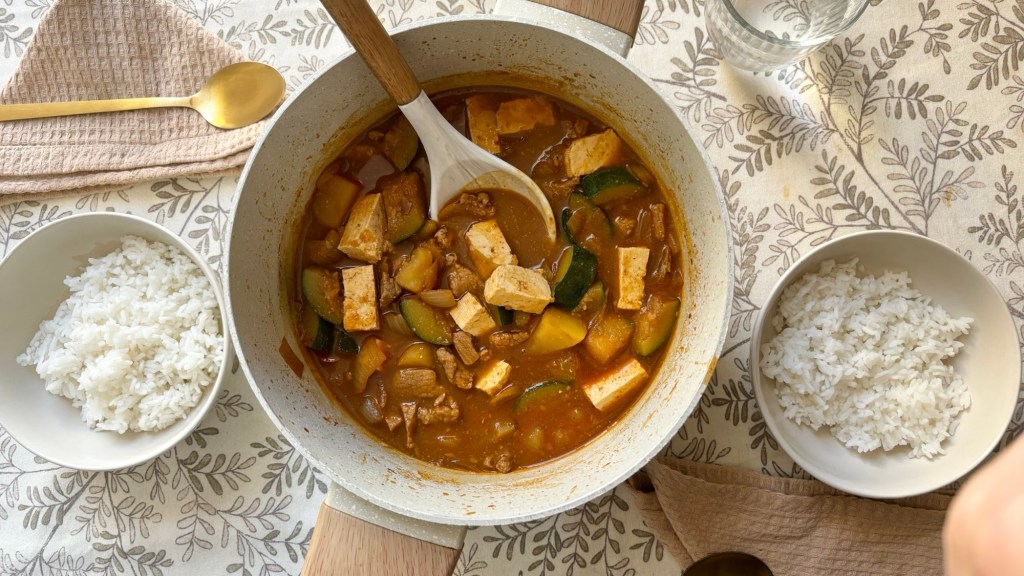
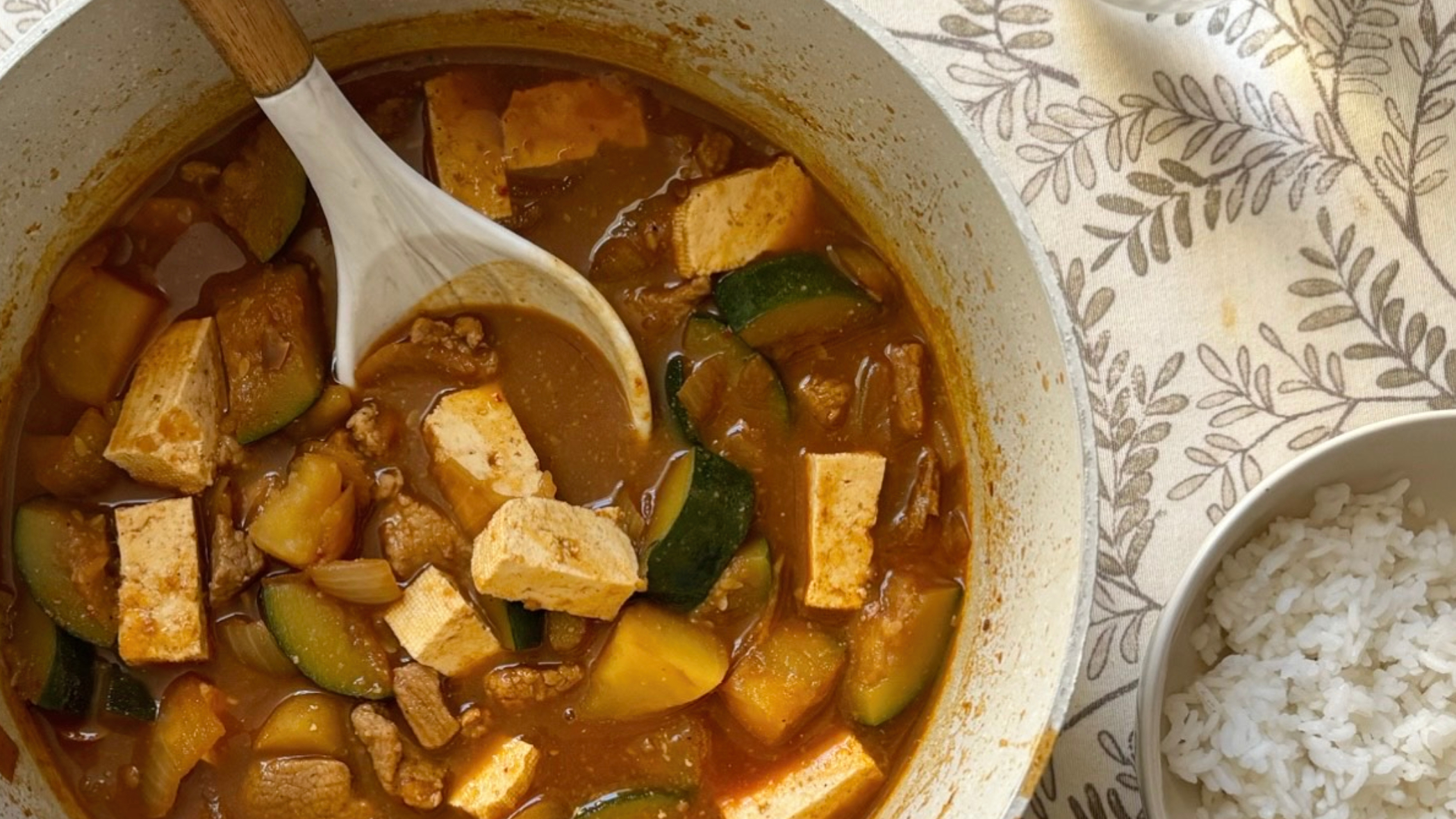
ENG – If there’s one dish that feels like a hug in Korean cuisine, it’s 된장찌개 (Doenjang Jjigae). It’s not fancy and it doesn’t try to impress, but that’s exactly where its charm lies. It’s the kind of stew that gently bubbles on the stove while the whole house fills with a deep, comforting aroma—the kind that instantly makes you think of home-cooked food.
This Korean classic is made with doenjang, a fermented soybean paste with a bold, umami-packed flavor. It might not be love at first bite for everyone, but once you get it, it becomes addictive. On top of that, every family has its own version: more vegetables, seafood, milder or more intense. There’s no single “right” way to make it. Here, I’m sharing the combination of ingredients that I personally love.
Doenjang Jjigae is everyday food—the kind you eat without overthinking it, yet it always comforts you. Served piping hot with a bowl of white rice, it’s one of those simple dishes that proves you don’t need to complicate things to eat incredibly well. If you try my version of the recipe, let me know!
Ingredients:
1 tbsp doenjang (fermented soybean paste)
½ tbsp gochujang
1 tsp minced garlic
Rice washing water, about 1 liter
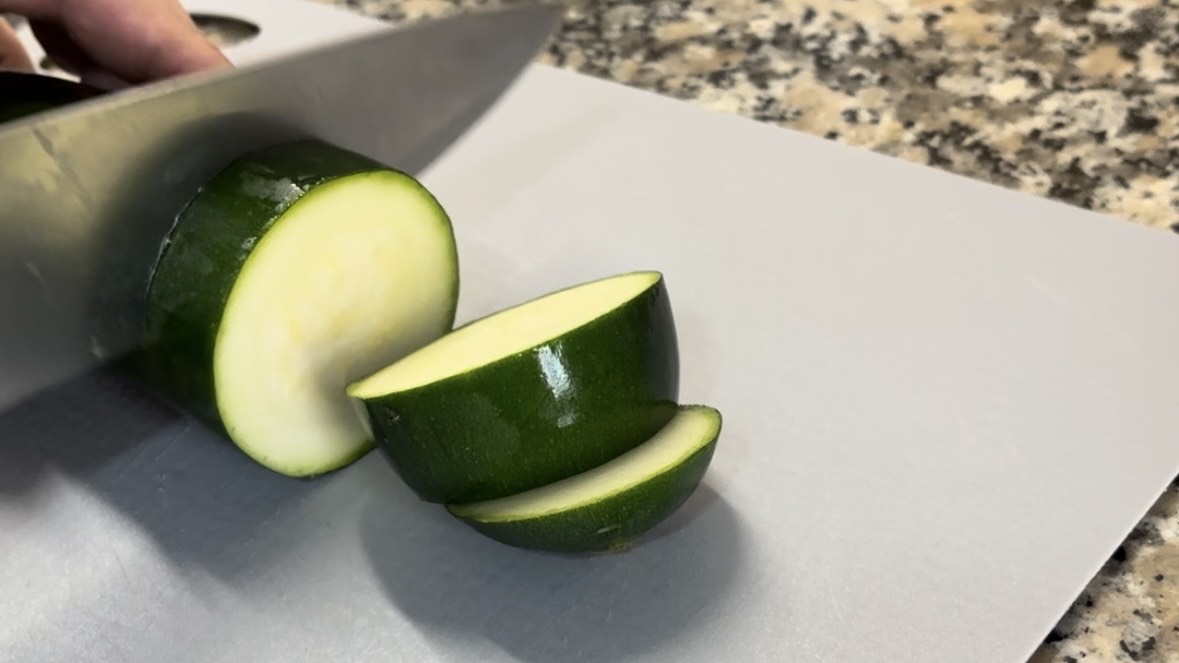
1 whole zucchini, diced
1 onion, cut into large pieces
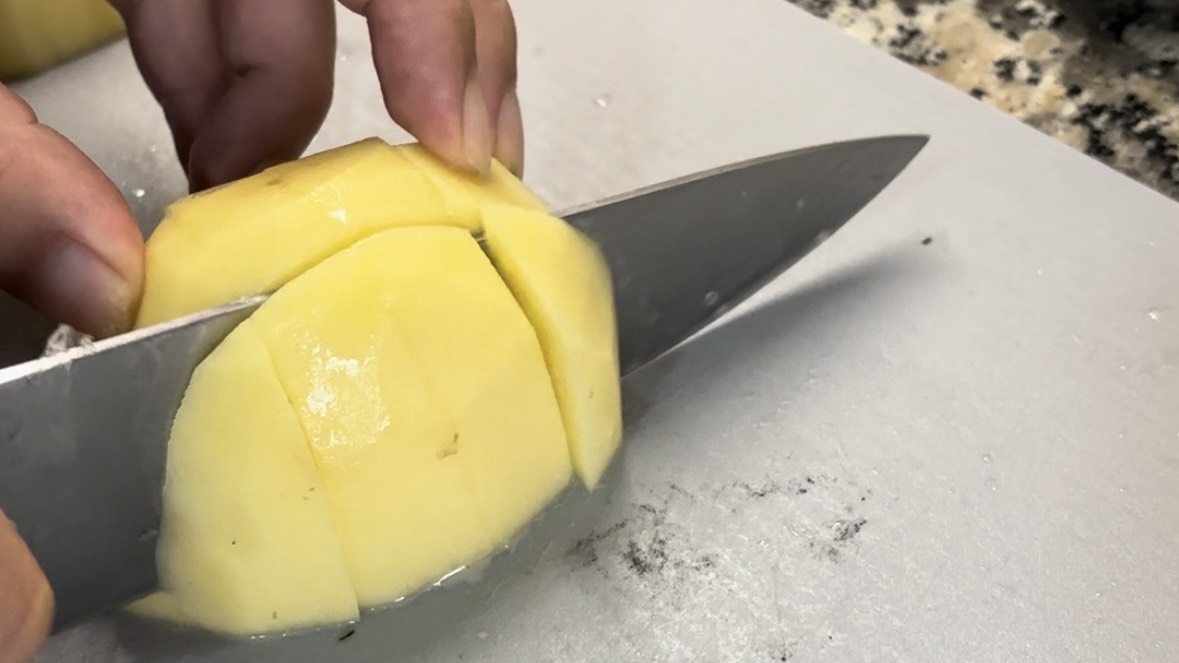
1 medium potato, diced
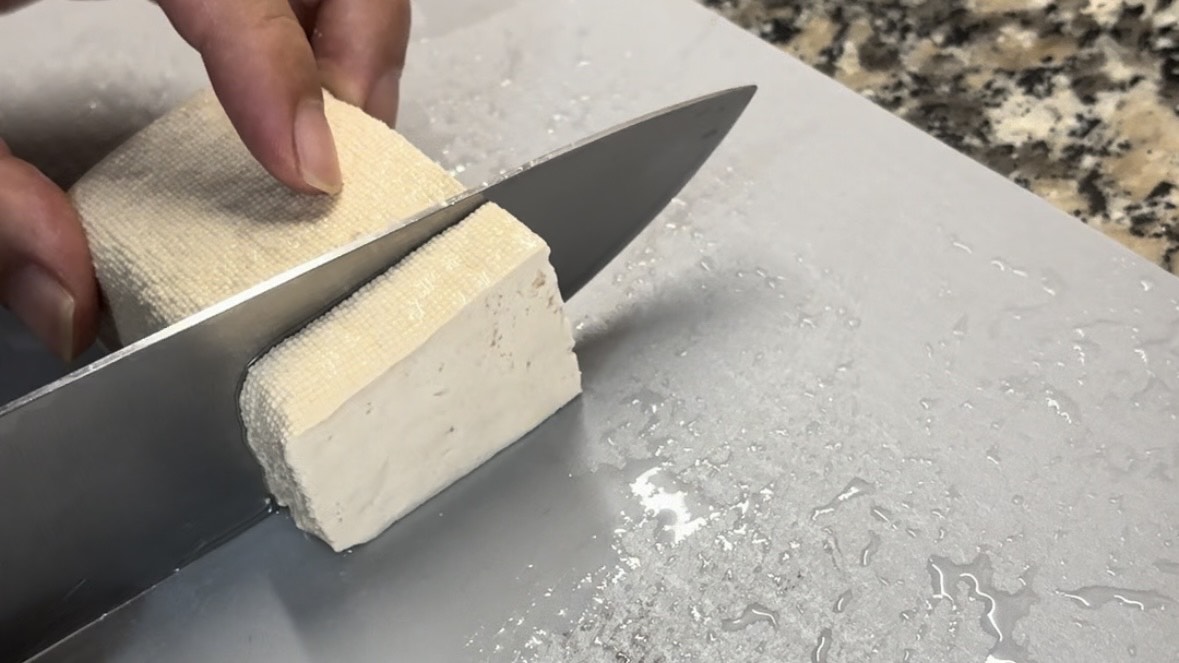
Firm tofu, cut into 1 cm–thick pieces
120–150 g pork (pork belly or lean pork), cut into pieces
Gochugaru, pepper, and garlic powder to taste
Preparation:
1. Cut the vegetables, pork, and tofu.
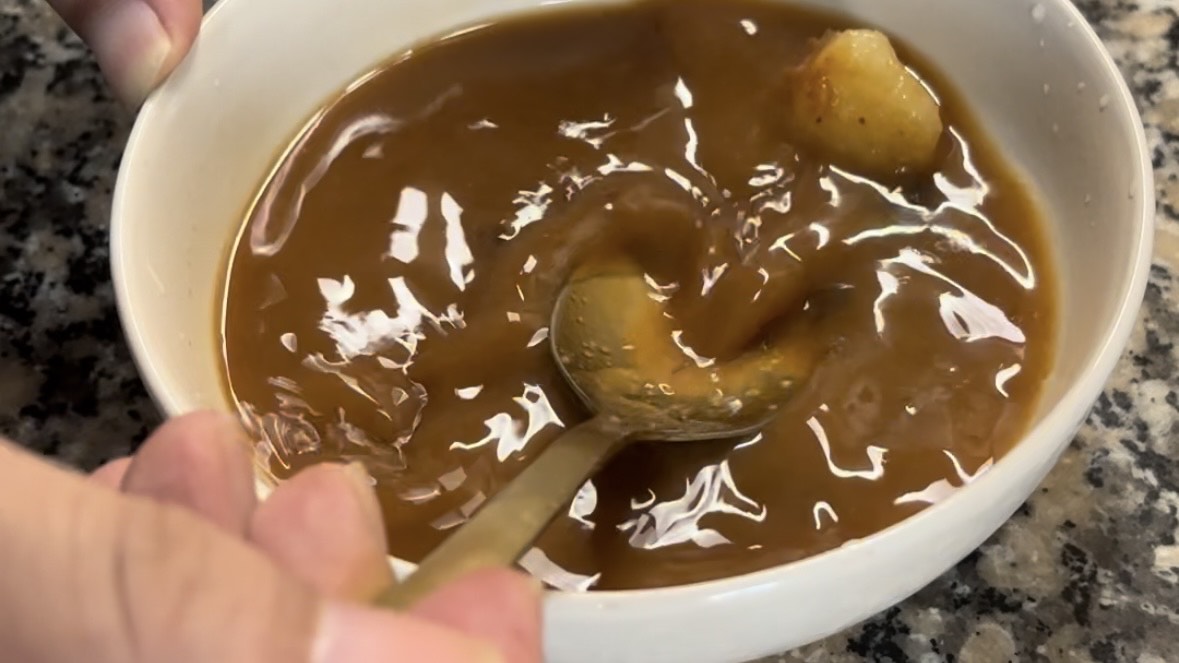
2. Prepare the sauce (doenjang, gochujang, minced garlic, and rice washing water).
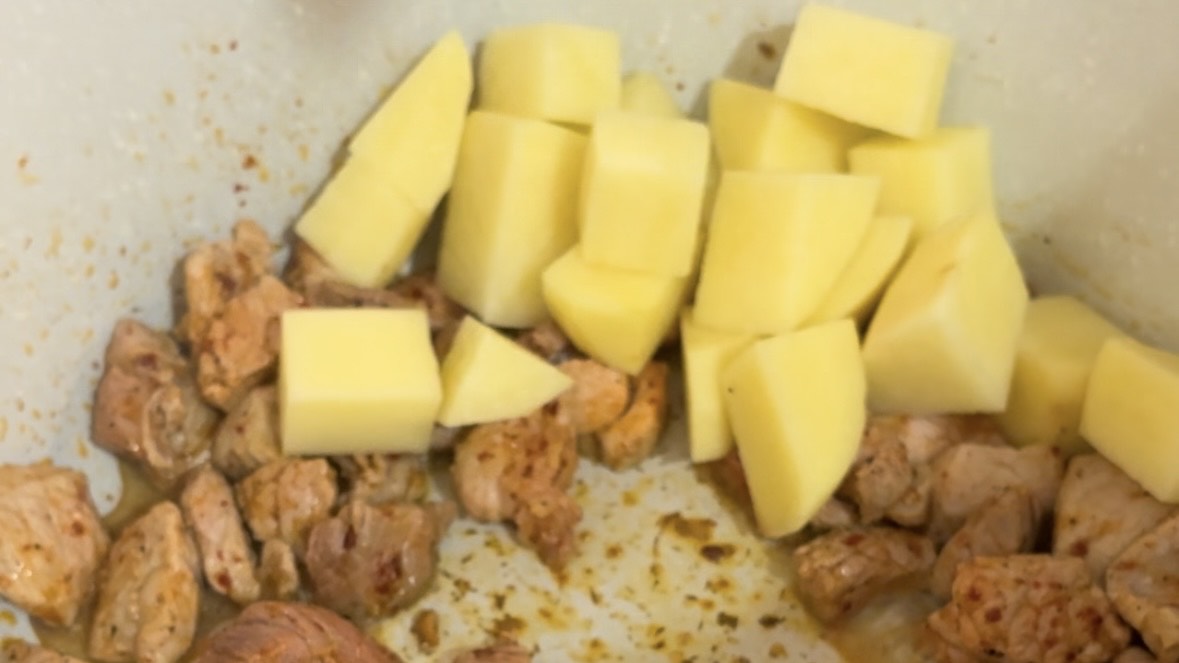
3. Cook the pork. Sauté it and season with salt, pepper, garlic powder, and gochugaru to taste.
4. Add the vegetables, starting with the harder ones (potato, onion, zucchini—in this order).
When the potato starts to soften, add the onion and zucchini. Cook for another 7–8 minutes over medium heat.
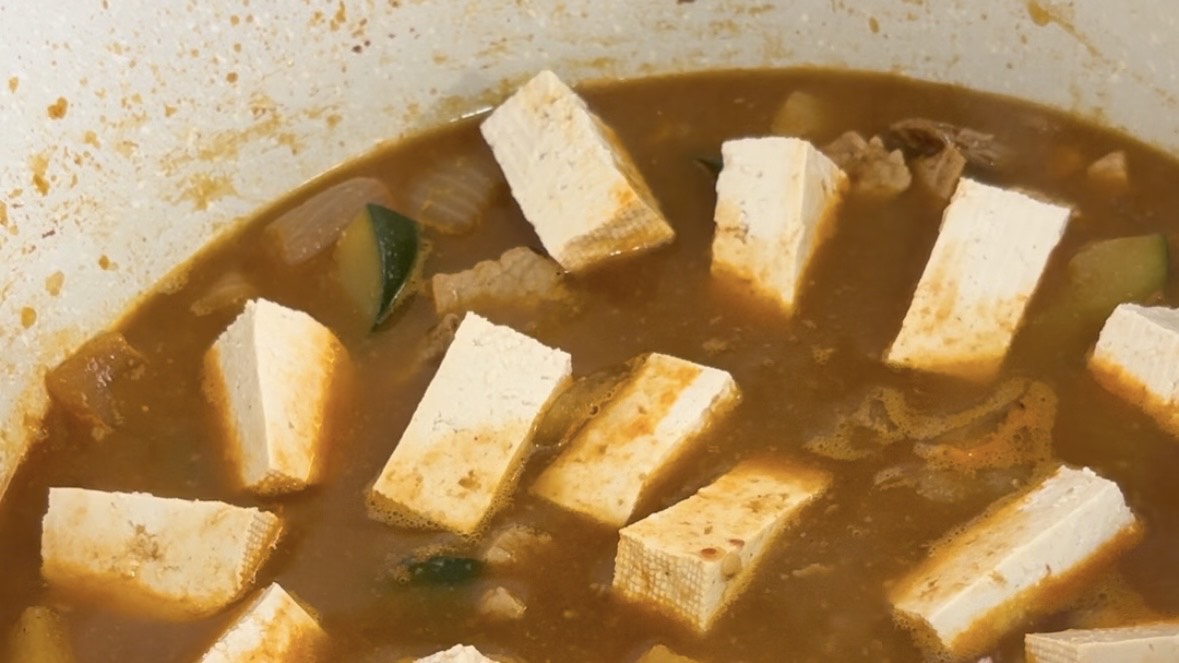
5. Add the tofu and cook for 5 more minutes. Taste the broth. The rice water mellows the flavor quite a bit, so you can add a little more doenjang if you want it more intense.
6. Turn off the heat and let it rest for 2–3 minutes before serving with white rice.

ESP – Si hay un plato que se siente como un abrazo en la cocina coreana, ese es el 된장찌개 (Doenjang Jjigae). No es sofisticado ni pretende impresionar, pero justamente ahí está su encanto. Es el tipo de guiso que burbujea en la olla mientras la casa se llena de un aroma intenso y reconfortante, de esos que te hacen pensar automáticamente en comida casera.
Este clásico coreano se prepara con doenjang, una pasta de soja fermentada con un sabor potente y lleno de umami. Puede que no sea amor al primer bocado para todo el mundo, pero una vez que lo entiendes, se vuelve adictivo. Además, cada familia tiene su propia versión: con más verduras, con mariscos, más suave o más intensa. No hay una sola forma “correcta” de hacerlo. Yo te muestro la combinación de ingredientes que me gusta a mí.
El 된장찌개 es comida del día a día, de la que se come sin pensar demasiado, pero que siempre reconforta. Servido bien caliente y con arroz blanco, es de esos platos sencillos que demuestran que no hace falta complicarse para comer increíblemente bien. Si pruebas mi versión de la receta, cuéntamelo!
Ingredientes:
1 cda de 된장 (pasta de soja fermentada)
½ cda de 고추장 (gochujang)
1 cdita de ajo picado
agua del lavado del arroz, aprox. 1 litro
1 calabacín entero, en cubos
1 cebolla, en trozos grandes
1 patata mediana, en cubos
Tofu firme cortado en trozos de 1cm espesor
120–150 g de carne de cerdo (panceta o magro), en trozos
Gochugaru, pimienta, ajo en polvo al gusto
Preparación:
1. Corta las verduras, la carne y el tofu.
2. Prepara la salsa (pasta de soja fermentada, gochujang, ajo picado, agua de lavado del arroz)
3. Cocina la carne. Frie la carne (condimenta con sal, pimienta, ajo en polvo y gochugaru al gusto).
4. Añade las verduras. Primero los ingredientes más duros (patata, cebolla, calabacín, en este orden).
Cuando la patata empiece a ablandarse añade la cebolla y el calabacín. Cocina 7-8 minutos más a fuego medio.
5. Añade el tofu y cocina 5 minutos más. Prueba el caldo. El agua de arroz suaviza mucho el sabor, así que puedes añadir un poco más de 된장 si lo quieres más intenso.
6. Apaga el fuego y deja reposar 2–3 minutos antes de servir acompañado de arroz blanco.



 onetasteofkorea.com
Deja un comentario