
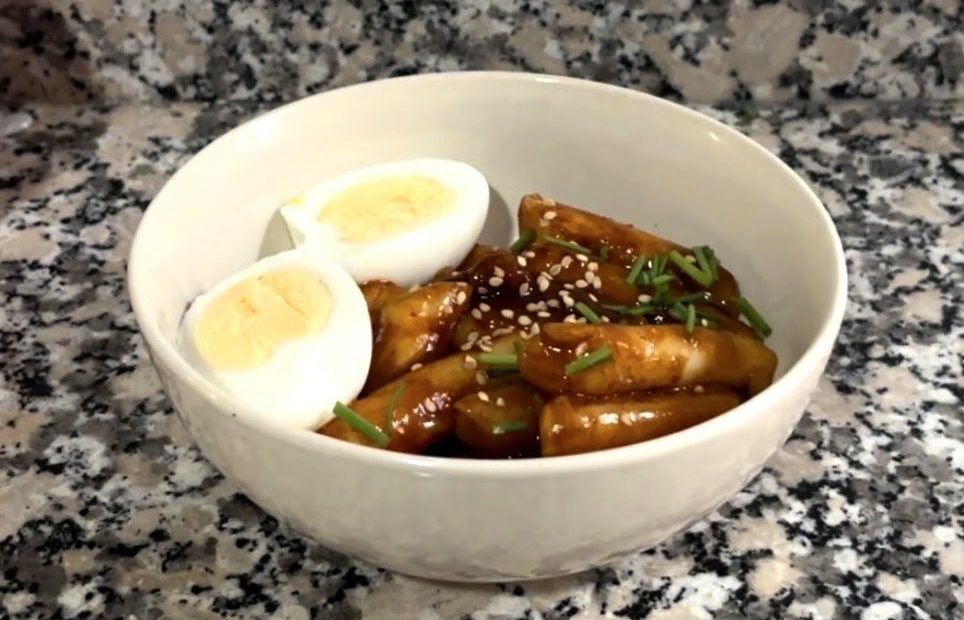
ENG – If there is one dish that represents Korean street food at its finest, it’s tteokbokki (떡볶이). Spicy, comforting, and slightly sweet, this rice-cake–based dish is one of those meals that warm both body and soul, especially on cold days or whenever you’re craving something with that touch of Korean comfort food.
Today I’m sharing my personal version of tteokbokki—a very simple and authentic recipe, but with one small variation: since I don’t like fish or seafood, I don’t add the usual fish cake (odeng).
Ingredients (2 servings)
1 tbsp soy sauce
1 tbsp mirin
1 garlic clove, minced (I freeze it already crushed)
2 tsp gochujang (Korean chili paste)
2 tsp sugar
1 tsp gochugaru (Korean chili flakes) — add more or less depending on your spice tolerance
300 g rice cakes (for tteokbokki)
2 cups water (or vegetable broth)
1 hard-boiled egg per person (optional but very typical)
Chives and sesame seeds for garnish
Instructions
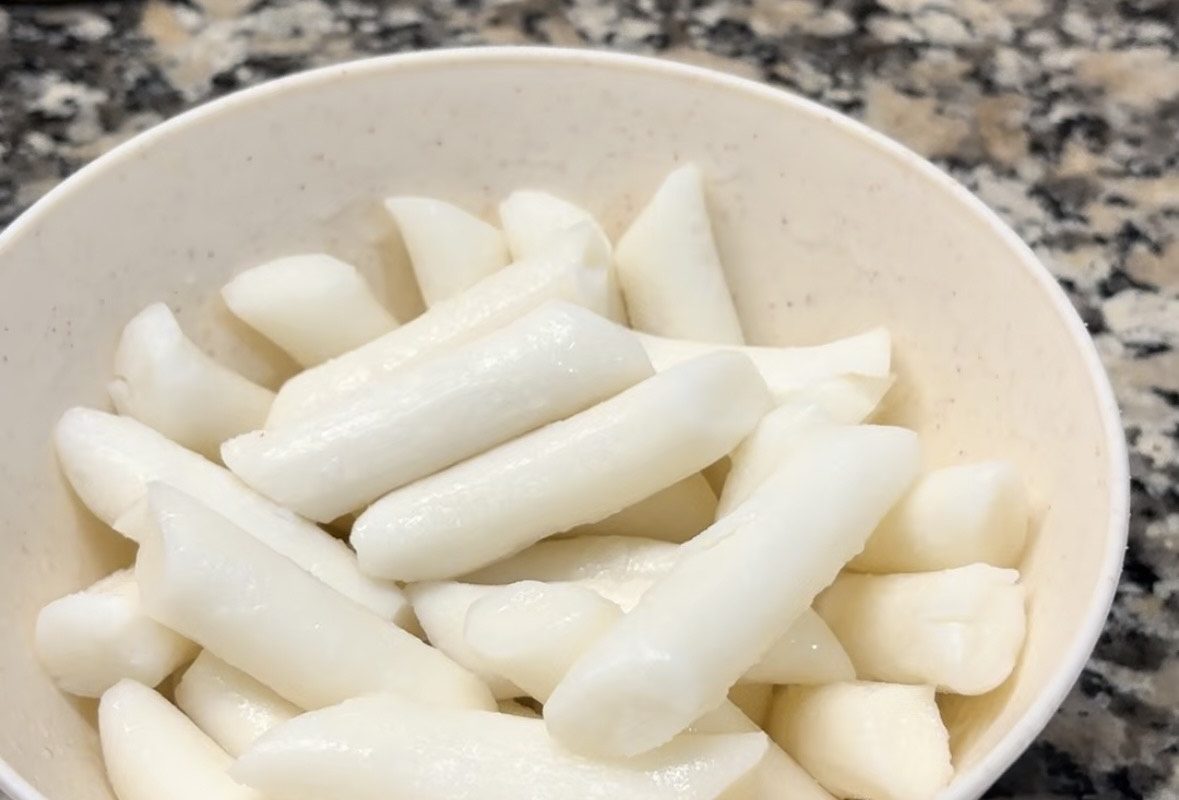
First, prepare the rice cakes. If they’re a bit hard (very common), soak them in hot water for 10 minutes. This helps them cook faster and more evenly.
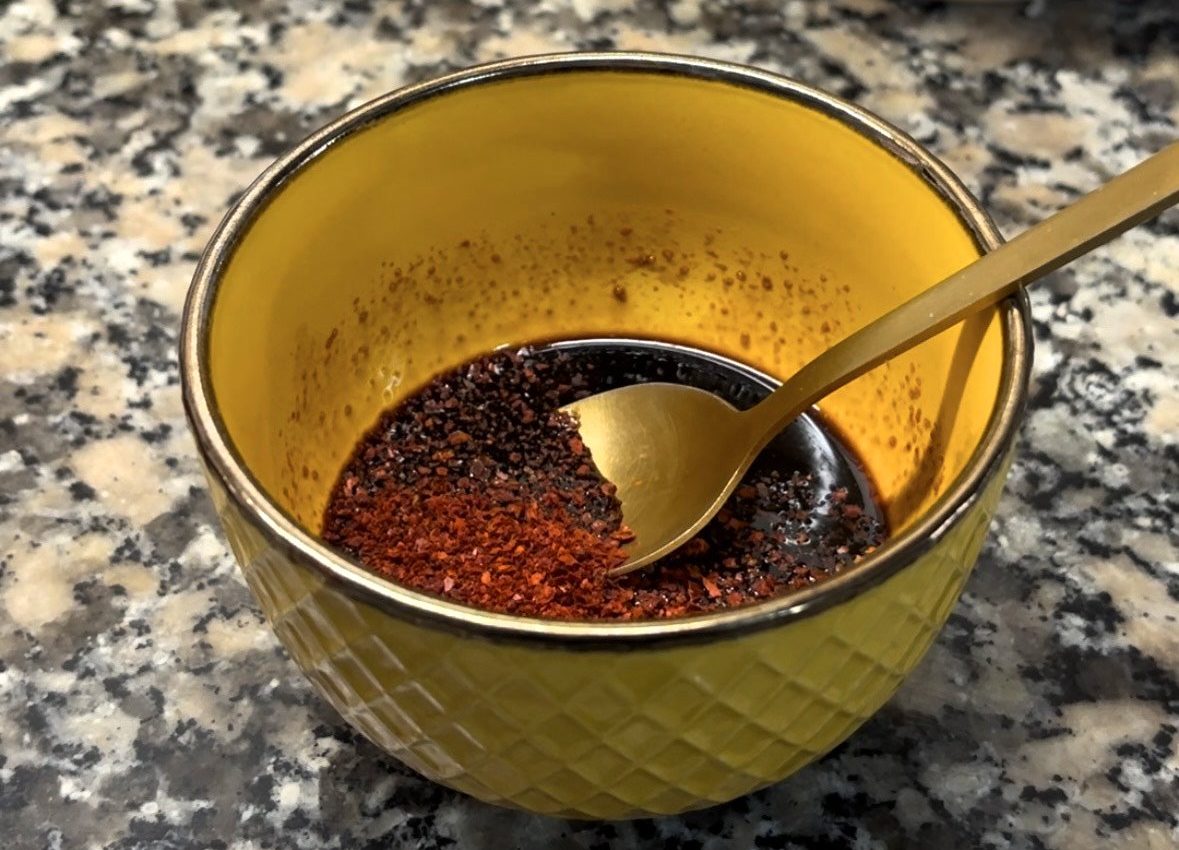
Meanwhile, make the base of the sauce. Mix the soy sauce, mirin, minced garlic, gochujang, sugar, and gochugaru. Taste and adjust to your liking.
In a pot, add the water (or broth) and the sauce you just prepared, stirring until it dissolves.
Once it comes to a boil, add the rice cakes and cook over medium-high heat for about 10–12 minutes, stirring occasionally to prevent sticking.
The sauce will gradually reduce until it becomes thicker. If you want, add a teaspoon of corn syrup to give it that shiny, silky finish that’s so characteristic.
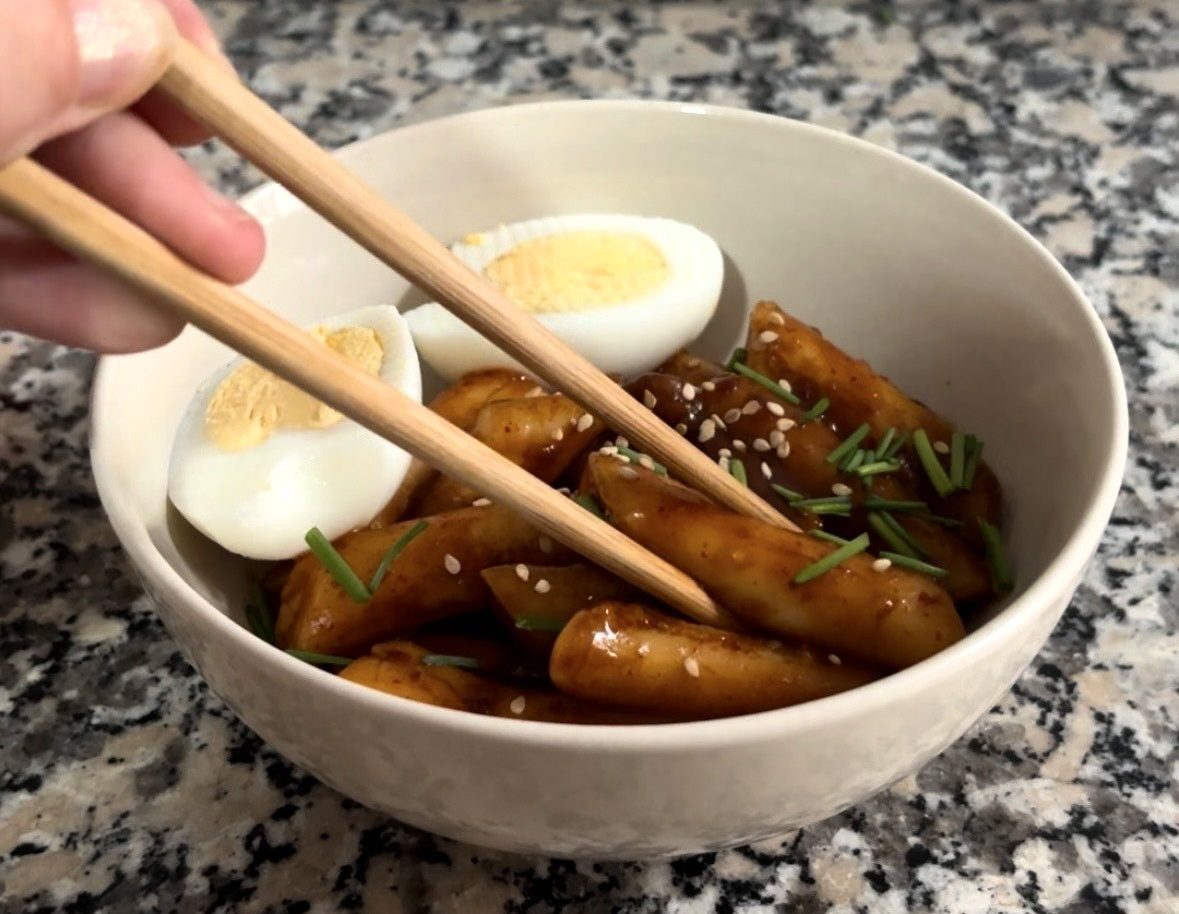
When the sauce reaches your desired consistency, turn off the heat and serve, topping with the hard-boiled egg, chives, and sesame seeds.
Tteokbokki is best enjoyed freshly made, with the tteok still soft and the sauce nice and thick. If you have leftovers, you can store them in the fridge and reheat the next day—although it probably won’t last that long, because it’s addictively delicious. If you try making it, tell me how it turned out in the comments!
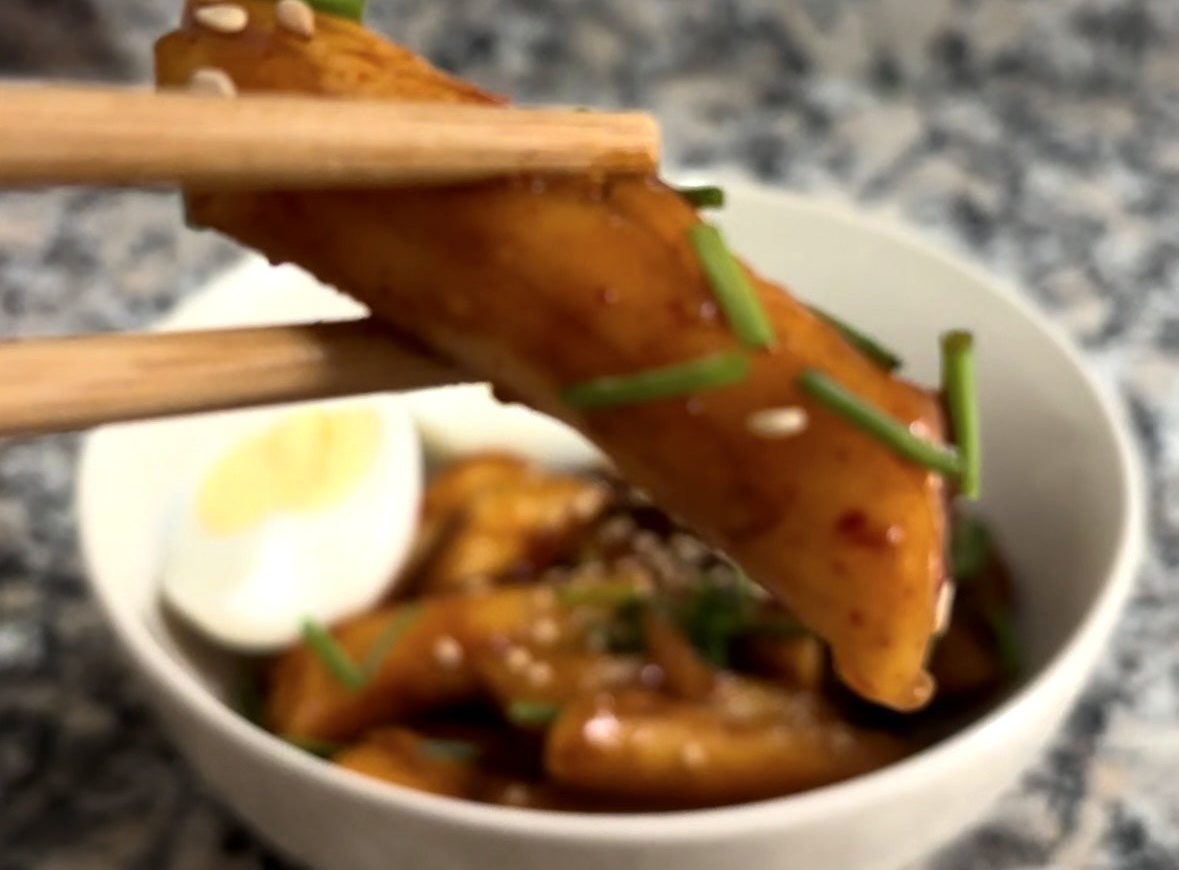
ESP – Si hay un plato que representa la comida callejera coreana por excelencia, ese es el tteokbokki (떡볶이). Picante, reconfortante y ligeramente dulce, este plato a base de pasteles de arroz (떡) es uno de esos platos que calientan el cuerpo y el alma, especialmente en los días fríos o cuando apetece algo con un toque de «comfort food» coreano.
Hoy te traigo mi versión personal de tteokbokki, una receta muy sencilla y auténtica, pero con una pequeña variación, y es que como a mi no me gusta el pescado o marisco, no le pongo «pastel de pescado» (odeng).
Ingredientes (2 raciones)
1 cda de salsa de soja
1 cda de Mirin
1 diente de ajo picado (yo lo congelo ya triturado)
2 cditas de gochujang (pasta de chile coreano)
2 cditas de azúcar
1 cdita de gochugaru (copos de chile coreano) Puedes poner más o menos, depende el nivel de picante que te guste
300 g de pasteles de arroz (para tteokbokki)
2 vasos de agua (o caldo vegetal)
1 huevo duro por persona (opcional pero muy típico)
Cebollino y semillas de sésamo para decorar
Instrucciones:
Primero hay que preparar los pasteles de arroz. Si están un poco duros (algo muy común), los ponemos a remojar en agua caliente durante 10 minutos. Esto hará que la cocción sea más rápida y uniforme.
Mientras vamos a hacer la base de la salsa. Mezclamos salsa de soja, mirin, ajo picado, gochujang, azúcar y gochugaru. Probamos y rectificamos según nuestro gusto.
En una olla, agregamos el agua (o caldo) y añadimos la salsa que hemos preparado y removemos hasta que se disuelva .
Cuando hierva añadimos los pasteles de arroz y cocinamos a fuego medio-alto durante unos 10–12 minutos, removiendo de vez en cuando para evitar que se peguen.
La salsa irá reduciendo poco a poco hasta quedar más espesa. Si lo deseas, añade una cucharadita de sirope de maíz para darle ese toque brillante y sedoso tan típico.
Cuando la salsa tenga la textura deseada, apagamos el fuego y servimos añadiendo el huevo duro, el cebollino y las semillas de sésamo por encima.
El tteokbokki se disfruta mejor recién hecho, con los tteok todavía blanditos y la salsa bien espesa. Si te sobra, puedes guardarlo en la nevera y calentarlo al día siguiente —aunque probablemente no sobreviva tanto tiempo porque es adictivamente delicioso. Si pruebas a hacerlo, cuéntame cómo te ha quedado en los comentarios!



 onetasteofkorea.com
Deja un comentario