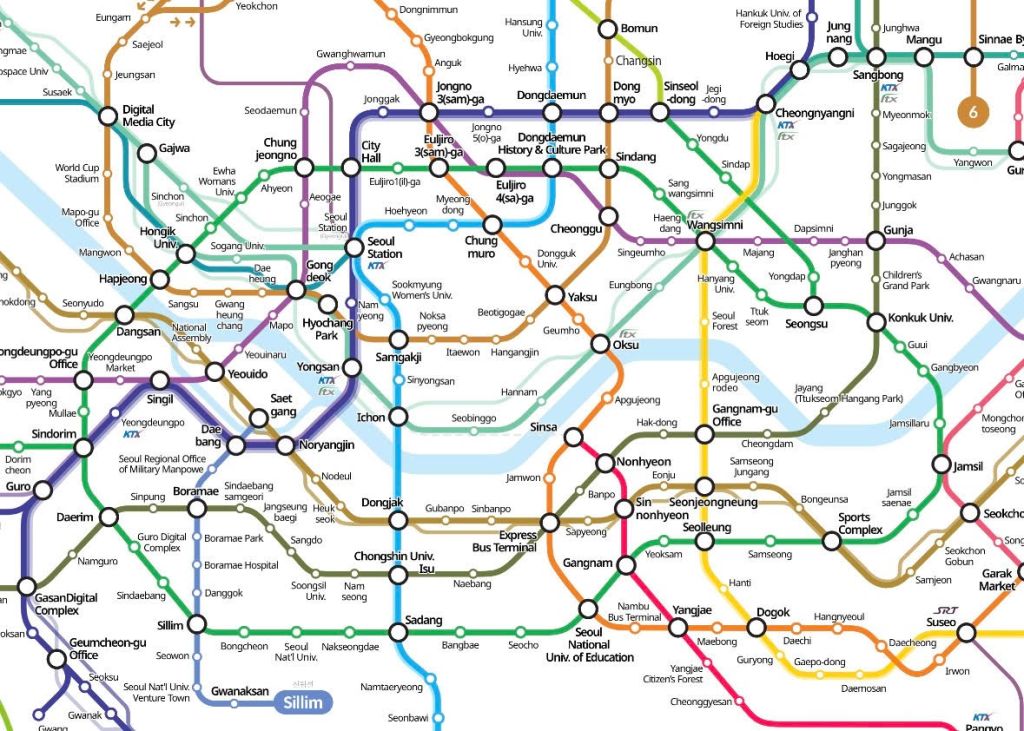
ENG – Travelling by metro in Seoul, or any other city can sometimes be a bit intimidating, specially in a city with so many lines. The Seoul subway is one of the most used rapid transit systems in the world. It has 10 lines and more than 287 kilometers in length. Going in the wrong direction or getting off at the wrong station can make us waste a lot of time, and that is something we can not afford when travelling.
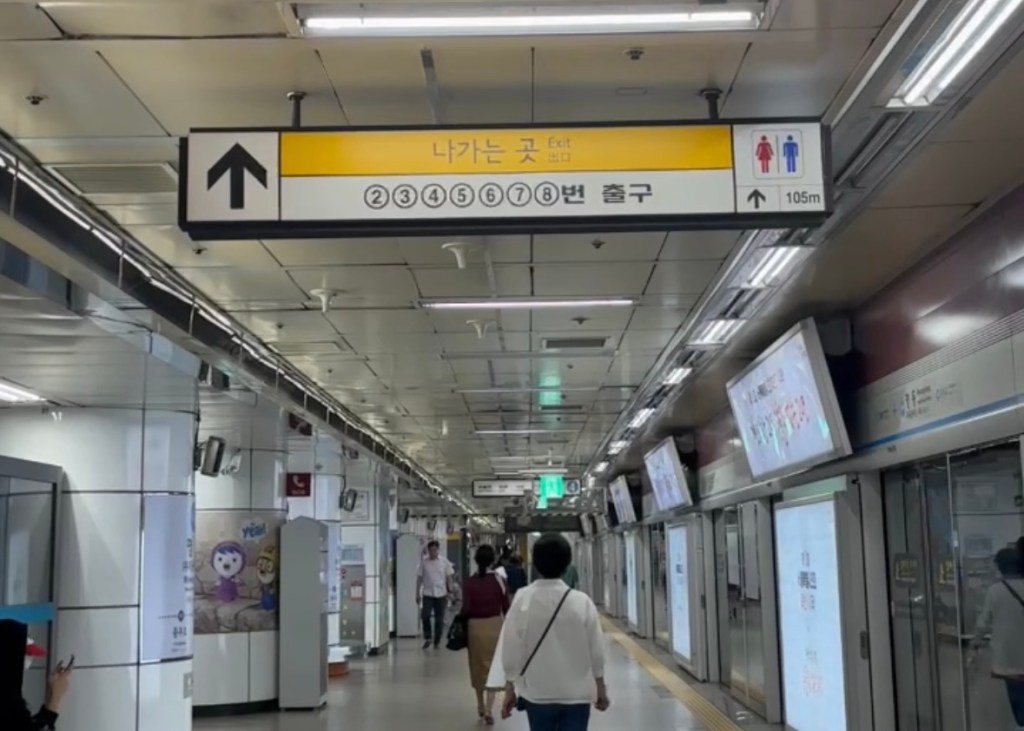
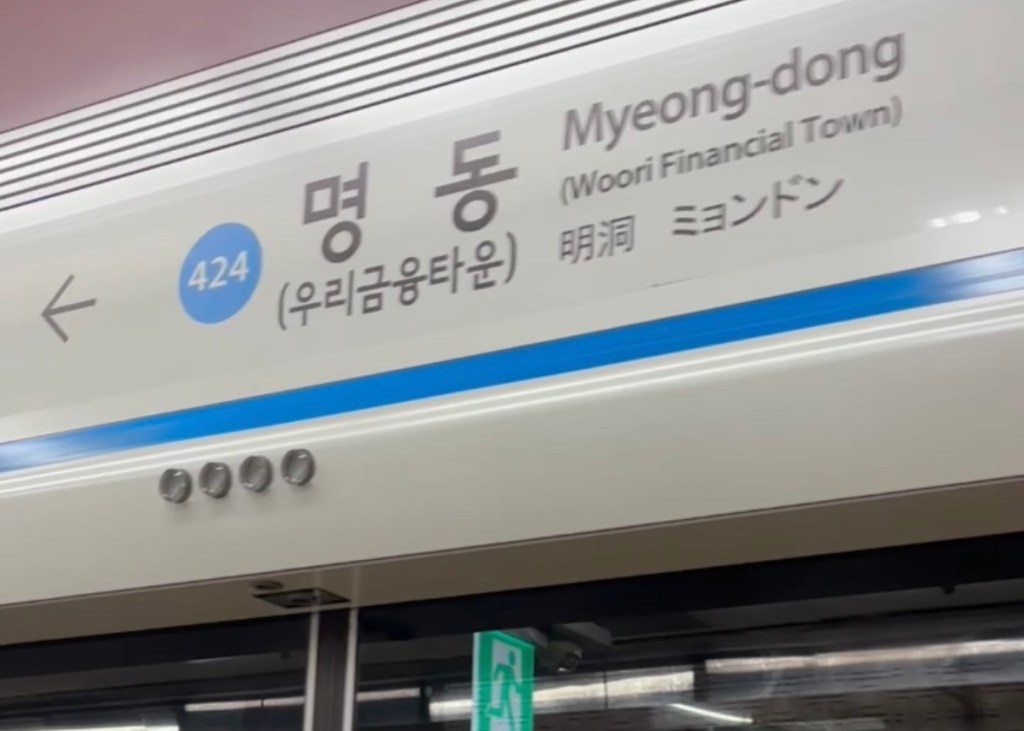
So the first thing we have to do is make sure we are in the right platform and direction. Luckily for us, Seoul metro has the name of the stations in both korean and english, so all you really need to focus on is which way the arrow is pointing towards.
I must admit on my first days I had some difficulties to know which exit to choose. Some stations have 10 or more exits, and they are quite far away from each other. So, just following the signals wasn’t enough. But on my third day I discovered this feature in the Metro App (Subway) and it saved me a lot of time from walking with no direction.
You can select you destination station, and if you click on «Exit Info» it will show you all the exits in a map. That way you will easily see which one is closer to the place you want to go.
Besides this, I recommend you avoid rush hour (specially morning and afternoon when people go and come from work). Even though there are lines to get on the train, getting off sometimes it can become mission impossible. It’s packed with people!
Also be aware of the reserved seats for the elderly people or pregnant women. They are quickly distinguished since they are in a different colour and also have illustrations.
I definitelly recommend travelling by metro in Seoul, it was my favorite way of exploring the city and it was very comfortable.
But there’s one thing I felt was a bit odd. On weekends the service ends earlier that on weekdays. So if you are planning to go out on the weekend, take this into consideration. Taxis are quite cheap anyway, and some buses operate throughout the whole night.
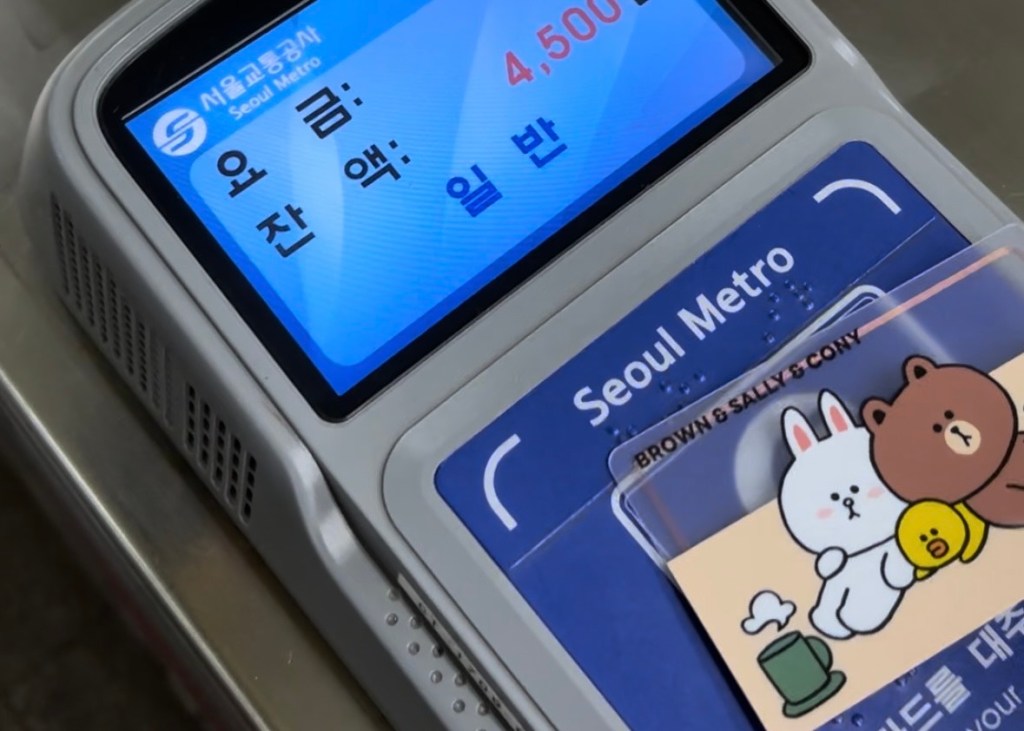
The price of a single metro ticket is 1,350 krw, and if you use a T-money card it costs 1,250 krw. The price will depend on the distance you travel, with a maximum of 3,500 krw and 4,750 krw to Incheon Airport.
There are transportation cards that you can load money on them (T-money). Remember that it must be topped up with cash. And there are also 1,2,3,5 and 7 day cards (Climate Card), which you must use within 30 days from the date of issue.
I hope these tips help you on your next trip to Seoul. ^^
Check out this Reel on my Instagram
ESP- Coger el metro en Seúl, o en cualquier ciudad, puede ser a veces intimidante, sobre todo en una ciudad grande con tantas líneas.
El metro de Seúl es uno de los sistemas de transporte rápido más utilizados del mundo. Cuenta con 10 líneas y más de 287 kilómetros de longitud
Equivocarnos de dirección o bajarnos donde no toca puede hacernos perder mucho tiempo, y eso es algo que no podemos permitirnos cuando viajamos.
Así que lo primero es asegurarnos de que estamos en el andén y dirección correctos. Por suerte el metro de Seúl tiene los nombres de las estaciones en inglés, así que sólo debes fijarte hacia donde indica la flecha para saber la dirección.
He de admitir que mis primeros días cogiendo el metro tuve dificultades para saber qué salida de metro debería elegir. Y es que algunas estaciones tienen 10 o más salidas, y todas ellas bastante lejos las unas de las otras.
Sólo siguiendo las instrucciones en el metro no me aclaraba. Pero por suerte descubrí algo en la app del metro (Subway) que me ahorraría muchísimo tiempo y sobre todo caminar sin rumbo.
En la app puedes elegir la estación destino, y si seleccionas «Exit Info», te mostrará todas las salidas sobre un mapa. Así podrás ver fácilmente cual está más cerca del lugar a donde quieres ir.
Por otro lado, algo que recomiendo es evitar el metro en horas punta (sobre todo por la mañana y tarde cuando las personas van a trabajar).
Si bien hay una cola para entrar al metro, a veces salir puede resultar complicado ya que van MUY lleno.
Ten en cuenta también los asientos reservados para personas mayores y embarazadas. Son fáciles de distinguir ya que son de otro color y tienen ilustraciones.
Sin duda recomiendo el metro de Seúl, fue mi mayor aliado para desplazarme por toda la ciudad y me ha parecido muy cómodo.
Lo que si me resultó curioso es que durante la semana tiene un horario más extendido que en fines de semana. Por lo que si vas a salir por la noche en finde, ten en cuenta que cierra antes.
Aun así, los taxis son bastante económicos y también hay autobuses que operan toda la noche.
El precio de un billete sencillo de metro es de 1350 krw, y si utilizas una T-money card cuesta 1250 krw. El precio dependerá de la distancia que viajes, con un máximo de 3500 krw y 4750 krw hasta el aeropuerto de Incheon.
Hay tarjetas de transporte que cargas dinero en ellas (T-money). Recuerda que debe recargarse con efectivo. Y también hay tarjetas de bonos de 1,2,3,5 y 7 días (Climate Card), que debes usar en un plazo de 30 días desde la fecha de emisión.
Espero que estos trucos te sirvan para tu próximo viaje a Seúl. ^^



 onetasteofkorea.com
Deja un comentario